

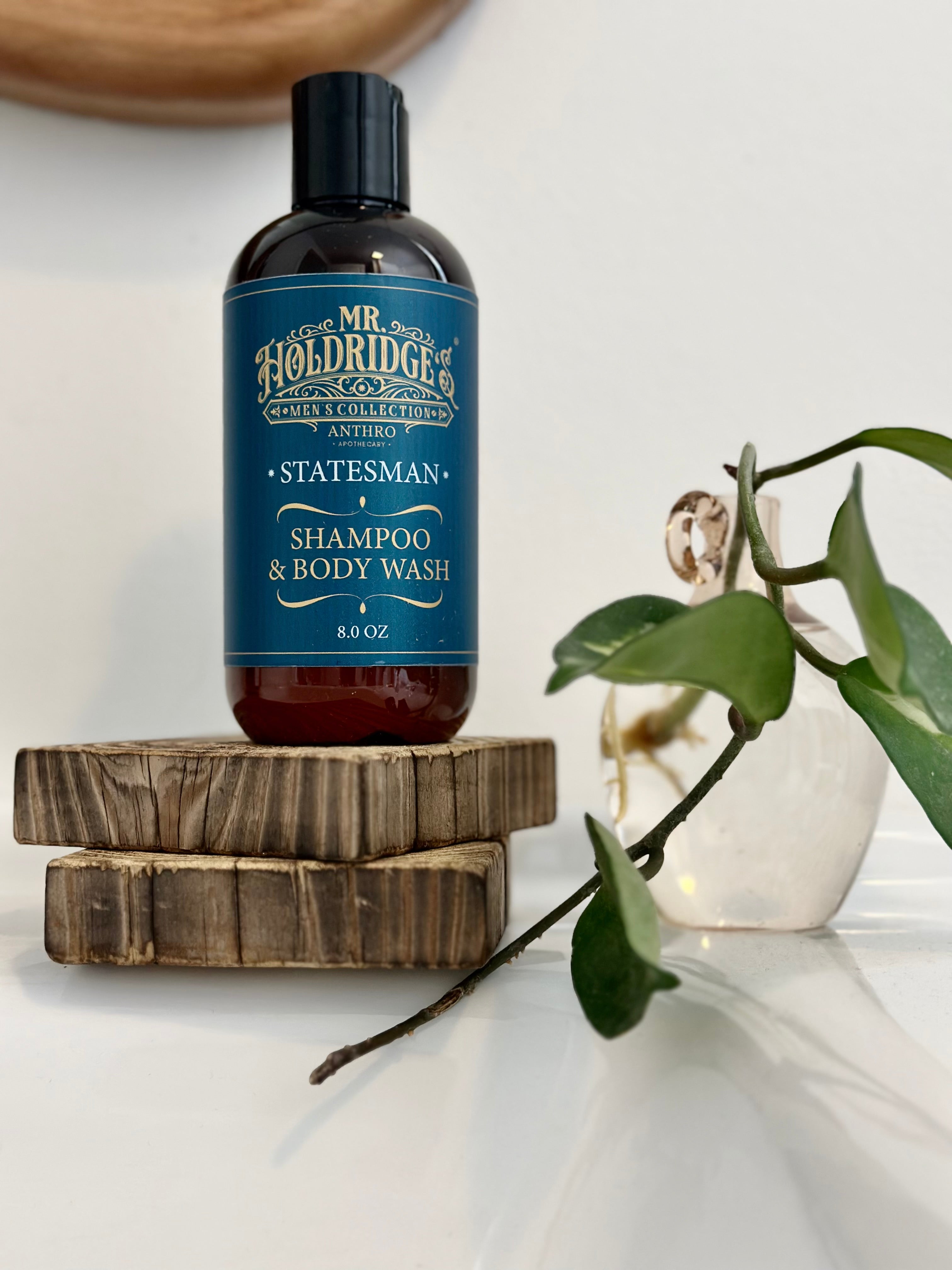
How to Spot Greenwashing in Skincare (And What to Trust Instead)
Summary
Greenwashing is everywhere in the skincare industry, making products seem more natural than they really are. This guide will help you recognize misleading claims, understand what actually matters in ingredient transparency, and confidently choose truly natural, plant-based products—especially when shopping locally in Tecumseh, Michigan.
Quick Answer: What is greenwashing in skincare?
Greenwashing is when a brand markets a product as “natural,” “clean,” or eco-friendly—even when it contains mostly synthetic or low-quality ingredients. It relies on misleading language, packaging, or imagery rather than true transparency.
What Is Greenwashing in Skincare?
Greenwashing happens when marketing tells a different story than the ingredients do.
In today’s wellness and beauty space, consumers are actively seeking safer, more natural options. Brands know this—and many design their packaging and messaging to look aligned with those values, even when their formulations are not.
You’ll often see:
- Earth-toned packaging and minimalist labels
- Words like “pure,” “clean,” “green,” or “botanical”
- Images of plants, herbs, or flowers
But when you take a closer look at the ingredient list, the product may still rely heavily on synthetic compounds, fillers, or artificial fragrance.
The key takeaway:
Greenwashing isn’t always obvious—it’s subtle, and it’s designed to build trust quickly without offering real substance.
Common Signs of Greenwashing
Learning to recognize greenwashing becomes much easier once you know what to look for.
1. Vague Marketing Language
Terms like “clean,” “pure,” or “non-toxic” sound reassuring—but they often have no clear definition. If a brand doesn’t explain what those terms mean, they may just be marketing language.
2. Long Ingredient Lists with Minimal Botanicals
A product might highlight ingredients like lavender, chamomile, or aloe on the front—but contain only trace amounts within a long list of synthetic ingredients.
3. Synthetic Fragrance Disguised as Natural
Fragrance is one of the most common areas where greenwashing occurs. Labels like “natural scent” or “botanical fragrance” can still refer to lab-created blends.
4. Lack of Transparency
If a brand avoids explaining:
- Where ingredients come from
- How products are made
- What each ingredient does
…it’s often a sign they’re relying more on branding than substance.
How to Tell If a Product Is Truly Natural
Choosing truly natural skincare doesn’t require perfection—it just requires awareness and a little curiosity.
Here are simple, reliable indicators to guide you:
✔ Recognizable ingredients
Look for plant oils, butters, herbs, and minerals you can identify.
✔ Clear ingredient purpose
Trust brands that explain why each ingredient is included—not just what’s in the product.
✔ No artificial fragrance or dyes
Natural products rely on essential oils or raw ingredient scent—not synthetic perfumes.
✔ Transparency in sourcing and process
Brands that openly share how their products are made are far more trustworthy.
✔ Education over marketing
If a brand focuses on helping you understand, rather than just convincing you to buy, that’s a strong signal of integrity.
Why Transparency Matters in Skincare
What you put on your skin becomes part of your daily routine—and over time, those choices add up.
Transparency allows you to:
- Make informed decisions about ingredients
- Understand how products may interact with your skin
- Align your purchases with your values
It also builds trust. When a brand is open about its process, sourcing, and formulation, you’re not left guessing—you’re choosing with confidence.
Shopping Natural Skincare in Tecumseh, MI
One of the best ways to avoid greenwashing is to shop where transparency is part of the experience.
At Anthro Apothecary in Tecumseh, Michigan, we take a different approach to natural skincare and wellness:
- Products are made or selected with clear ingredient standards
- Small-batch production ensures quality and freshness
- You can ask questions and get real answers—not scripted marketing
- You can see, smell, and experience products before purchasing
Shopping locally also creates a more personal connection—you’re not just buying a product, you’re understanding it.
What to Trust Instead of Buzzwords
Instead of relying on labels like “natural” or “clean,” shift your focus to:
- Ingredient transparency
- Simplicity in formulation
- Brand honesty and consistency
- Willingness to educate
Quick rule of thumb:
If a product needs heavy marketing to explain why it’s “good,” it may not be as simple or natural as it claims.
FAQ: Greenwashing in Skincare
How do I avoid greenwashing in skincare?
Look beyond packaging and marketing. Read ingredient lists, choose brands that explain their formulations, and prioritize transparency over buzzwords.
Are all “natural” skincare products greenwashing?
No. Many brands genuinely use natural ingredients—but the term is unregulated, so it’s important to verify what’s actually in the product.
Why do skincare brands use greenwashing?
Because consumers are actively looking for natural and clean products. True natural formulations can be more complex and costly, so some brands rely on marketing instead.
Is handmade skincare more trustworthy?
Often, yes—especially when the maker is transparent about ingredients, sourcing, and formulation methods.
What’s the easiest way to tell if a product is truly natural?
Check if the brand clearly explains its ingredients and avoids synthetic fragrance, artificial colors, and unnecessary fillers.
A More Confident Way to Shop
Once you understand greenwashing, shopping for natural skincare becomes much simpler.
You don’t need to memorize every ingredient—you just need to look for honesty, clarity, and intention.
At Anthro Apothecary, that’s exactly what we aim to provide: products that are thoughtfully made, clearly explained, and aligned with real natural values.





Leave a comment
This site is protected by hCaptcha and the hCaptcha Privacy Policy and Terms of Service apply.